A motor vehicle accident (MVA) can leave you with pain, stiffness, headaches or worry about getting back to normal, even when the collision seemed minor. Many people brush it off at first, then notice symptoms days or weeks later.
If that sounds familiar, here is what physiotherapy after a car accident usually looks like.
Why symptoms can show up late
After a collision, adrenaline and shock can hide pain. Soreness in the neck, back or shoulders, headaches and trouble sleeping often appear a few days later. An early assessment helps catch problems sooner, even if you feel mostly fine.
What we commonly treat
- Neck and back pain, including whiplash-associated disorders
- Muscle strains and joint stiffness
- Headaches and concussion symptoms
- Shoulder, hip and knee injuries
- Reduced mobility, strength or balance
- Pain that continues after the accident
What your first visit involves
Your physiotherapist will ask about the accident and your symptoms, assess your movement and strength, and explain what is going on in plain language. From there, you will build a plan around your symptoms, your daily demands and your goals. The plan is progressed as you improve.
What treatment can include
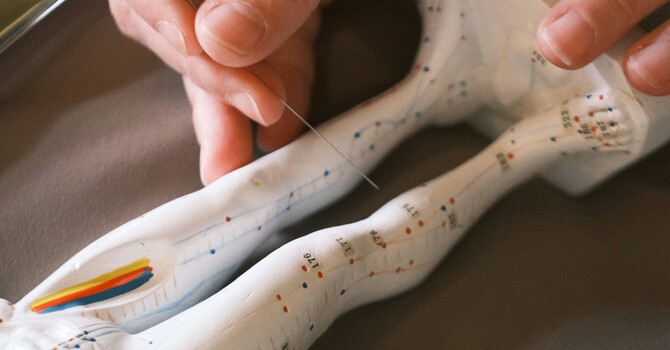
Recovery after an MVA is active. Treatment may include manual therapy to ease pain and stiffness, graded exercises to restore movement and rebuild strength, and education on pacing and self-management. Registered massage therapy and acupuncture can also help with muscle tension, pain and headaches, and our team coordinates your care under one roof.
Direct billing and your claim
We direct bill MVA insurers, so in most cases you will not pay up front for covered treatment. Bring your claim number and your adjuster’s name and contact details to your first visit, and we will help you with the next steps.
When to get a second opinion
If your recovery is slower than expected, a second opinion from an Injury Management Consultant (IMC) can help. IMCs are registered with the Nova Scotia Government, and approval is typically arranged through your insurance provider. Ask your physiotherapist or your insurer if you are unsure.
Ready to get started?
You do not need a doctor’s referral to book physiotherapy in Nova Scotia, though some insurers have their own requirements. Learn more on our Motor Vehicle Accident (MVA) Physiotherapy page, or book online or call us at 902-462-6492.